Boat Rental in Solenzara: A Local Guide to Exploring the Côte des Nacres

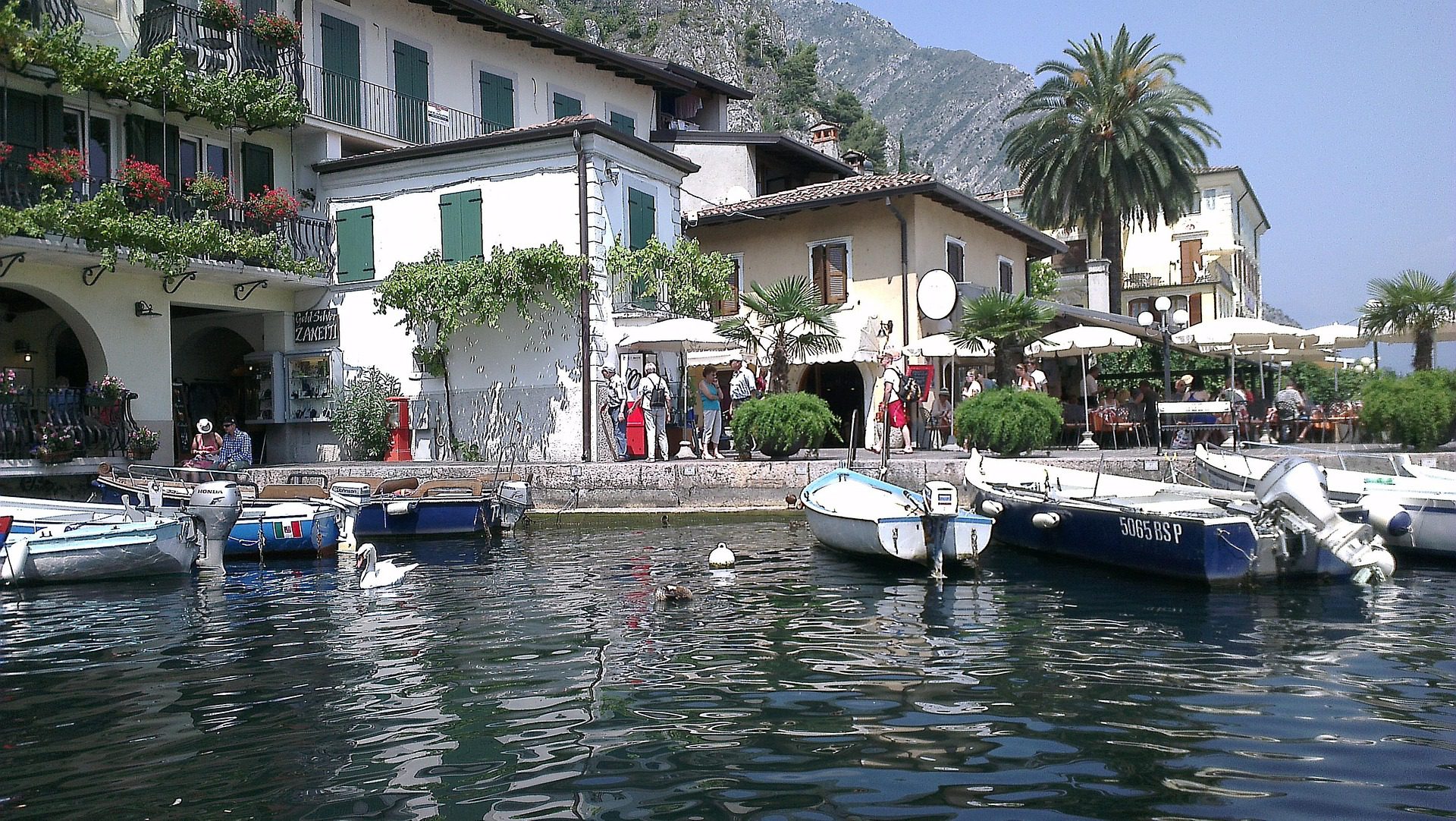
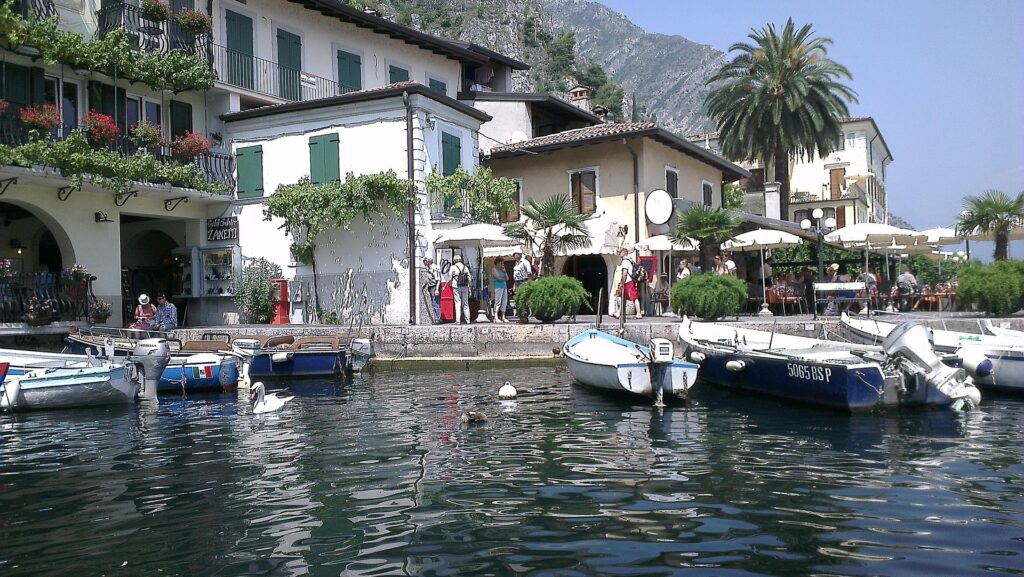
a small harbour with boats

Solenzara is one of the best-kept secrets of Southern Corsica. Its marina can accommodate up to 450 boats and provides direct access to the same iconic destinations as Porto-Vecchio: the Lavezzi Islands, Bonifacio, and Rondinara. But without the traffic jams, without the congestion of the neighboring port, and often at more attractive prices. The same coastline, fewer crowds.

Boat rental in Solenzara appeals both to families looking to explore the secluded coves of the Côte des Nacres and to experienced sailors heading for the Strait of Bonifacio or Sardinia.

Why Choose Solenzara for Boat Rental in Southern Corsica?

The first advantage is its location. Solenzara lies midway along Corsica’s eastern coast, 18 nautical miles north of Porto-Vecchio, 24 nautical miles from the Lavezzi Islands, and 32 nautical miles from Bonifacio. From its 450-berth marina, all of these destinations can be comfortably reached on a day trip in favorable weather conditions.

A second, less frequently mentioned benefit is the Côte des Nacres itself. This 20-kilometer stretch of coastline between Solenzara and the Fautea Tower is home to some of the most unspoiled coves in Southern Corsica: Canella, Favone, and Tarco. The waters are exceptionally clear, and even in August, visitor numbers remain relatively manageable.

The third advantage is the scenery. From the sea, if you turn toward the interior, the Bavella Needles rise on the horizon. This unique sea-and-mountain panorama, with dramatic granite peaks as a backdrop, cannot be experienced from any other port on the island. Add to that the Solenzara River, which originates at the Bavella Pass and flows into the sea just north of the village, with natural swimming pools accessible further upstream.

Finally, Solenzara is significantly less crowded than Porto-Vecchio during the same period. Rental operators are generally more available, moorings are easier to find, and the atmosphere remains more authentic.

Did You Know?

Solenzara is the only municipality in Southern Corsica located on the eastern side of the island’s central mountain range. From your boat, you can enjoy views of both the Tyrrhenian Sea and, looking inland, the granite silhouettes of the Bavella Needles. This sea-and-mountain panorama is unique among Corsican ports.

What Types of Boats Can You Rent in Solenzara?

The local fleet caters to every type of boater, from beginners seeking nearby coves to experienced skippers planning a cruise to Sardinia. Here are the main options available from the marina:

TypeCapacityLicense RequiredPrice / DayBest For
License-free motorboat2–6 peopleNo (max. 6 hp)€100–€200Coves, nearby coastline
Twin-engine RIB4–8 peopleYes or with skipper€300–€550Pinarello, Porto-Vecchio
Open boat or cabin cruiser6–14 peopleCoastal boating license€400–€700Lavezzi Islands, Bonifacio
Sailboat / Catamaran4–10 peopleSailing résumé / nautical CVFrom €1,000/weekSardinia, Elba Island

License-Free Motorboat: Discovering the Côte des Nacres

The ideal entry-level option. Limited to 6 horsepower, easy to operate, and requiring no boating license or special documentation. It is perfectly suited for cruising along the Côte des Nacres, stopping in the coves of Canella or Favone, and enjoying a day of swimming and snorkeling independently. Capacity ranges from 2 to 6 people.

Twin-Engine RIB: The Versatile Choice

Fast and highly maneuverable, a rigid inflatable boat (RIB) allows you to reach day-trip destinations such as Pinarello, the Fautea Tower, and the Gulf of Porto-Vecchio. With a skipper on board, it becomes one of the most comfortable options for non-sailors. It handles typical summer sea conditions well and adapts easily to a variety of itineraries.

Open Boat or Cabin Cruiser: For Groups and Longer Excursions

More space, greater comfort, and a longer cruising range. With an open boat accommodating between 6 and 14 passengers, the Lavezzi Islands and Bonifacio become realistic day-trip destinations in favorable weather conditions. It is an excellent choice for groups of friends, large families, or weekend outings.

Sailboat or Catamaran: The One-Week Cruise

Solenzara is a genuine cruising base. Porto-Vecchio, the Lavezzi Islands, Bonifacio, Sardinia, and even Elba Island—62 nautical miles away—can all be explored within a week of sailing. Local charter companies offer both bareboat and skippered options. A nautical résumé (sailing CV) is systematically required.

Do You Need a License to Rent a Boat in Solenzara?

The short answer:

  • License-free boats (up to 6 hp): No license or paperwork required. Available from the age of 16. Ideal for exploring the nearby coves of the Côte des Nacres.
  • Powerboats: A French coastal boating license (permis côtier) or an equivalent recognized license is required. If you do not hold a license, hiring a boat with a skipper is the easiest solution.
  • Sailboats: No boating license is legally required in France, but charter companies will request a detailed sailing résumé (nautical CV). The more ambitious your itinerary, the more documented sailing experience you will need to demonstrate.
  • Skipper option: Strongly recommended for trips to the Strait of Bonifacio, where sea conditions can deteriorate rapidly, even when the forecast appears favorable.

The Best Boat Trips from Solenzara

The following itineraries are organized by duration, with nautical distances and approximate cruising times. Rarely will you find all of this information gathered in one place.

Half-Day Trip: Canella and Favone Coves

Head north from the marina. Canella Beach can be reached in approximately 20 to 30 minutes. Expect white sand, shallow turquoise waters, and rocky outcrops perfect for snorkeling. The cove is accessible only by boat or hiking trail.

Favone Beach lies about 35 minutes away. This picturesque bay, framed by pink granite formations, features shallow waters and a gently sloping seabed, making it particularly suitable for families with children.

Between the two beaches, the rocky shoreline offers some of the best snorkeling on Corsica’s east coast, with groupers, scorpionfish, and sea bream hiding among the underwater crevices.

This is the perfect itinerary for a first boating experience.

Full-Day Trip: Pinarello and the Genoese Tower of Fautea

Head south for approximately 8 nautical miles, or around 30 minutes depending on your boat.

The Genoese Tower of Fautea overlooks the coastline from its rocky headland and provides one of the region’s most iconic photo opportunities when viewed from the sea.

Continue to Pinarello Beach, a one-kilometer stretch of pristine white sand with shallow waters and a distinctive milky-blue color. It is widely regarded as one of the most beautiful beaches in Southern Corsica and remains relatively uncrowded outside the peak months of July and August.

For more adventurous boaters, the Gulf of Porto-Vecchio lies 18 nautical miles from Solenzara. Enjoy lunch at the lively marina before returning along the coast in the late afternoon.
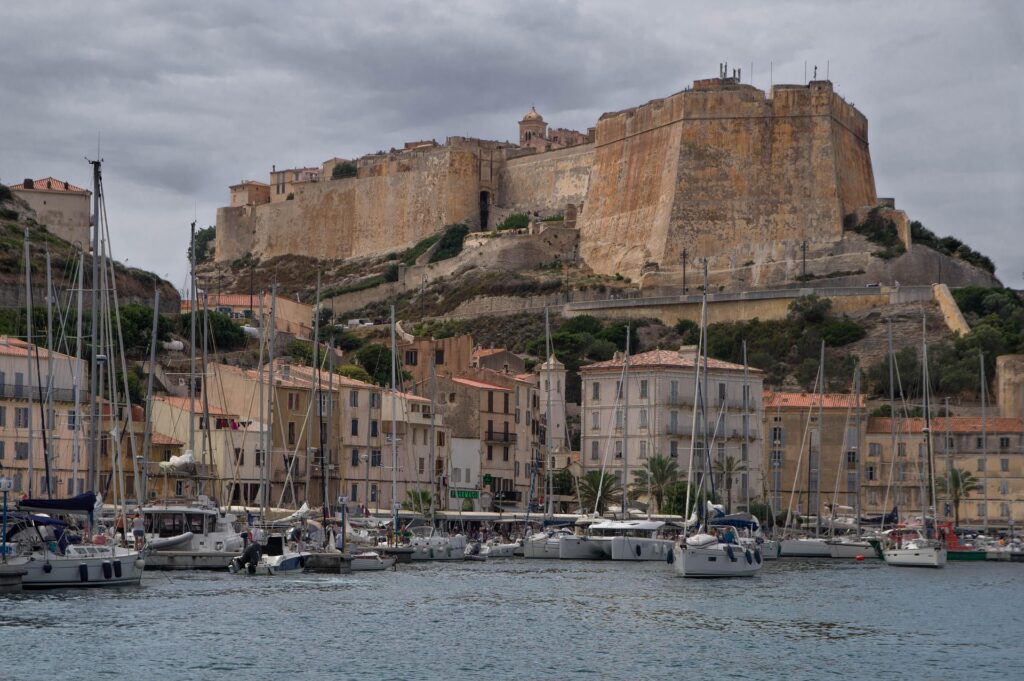
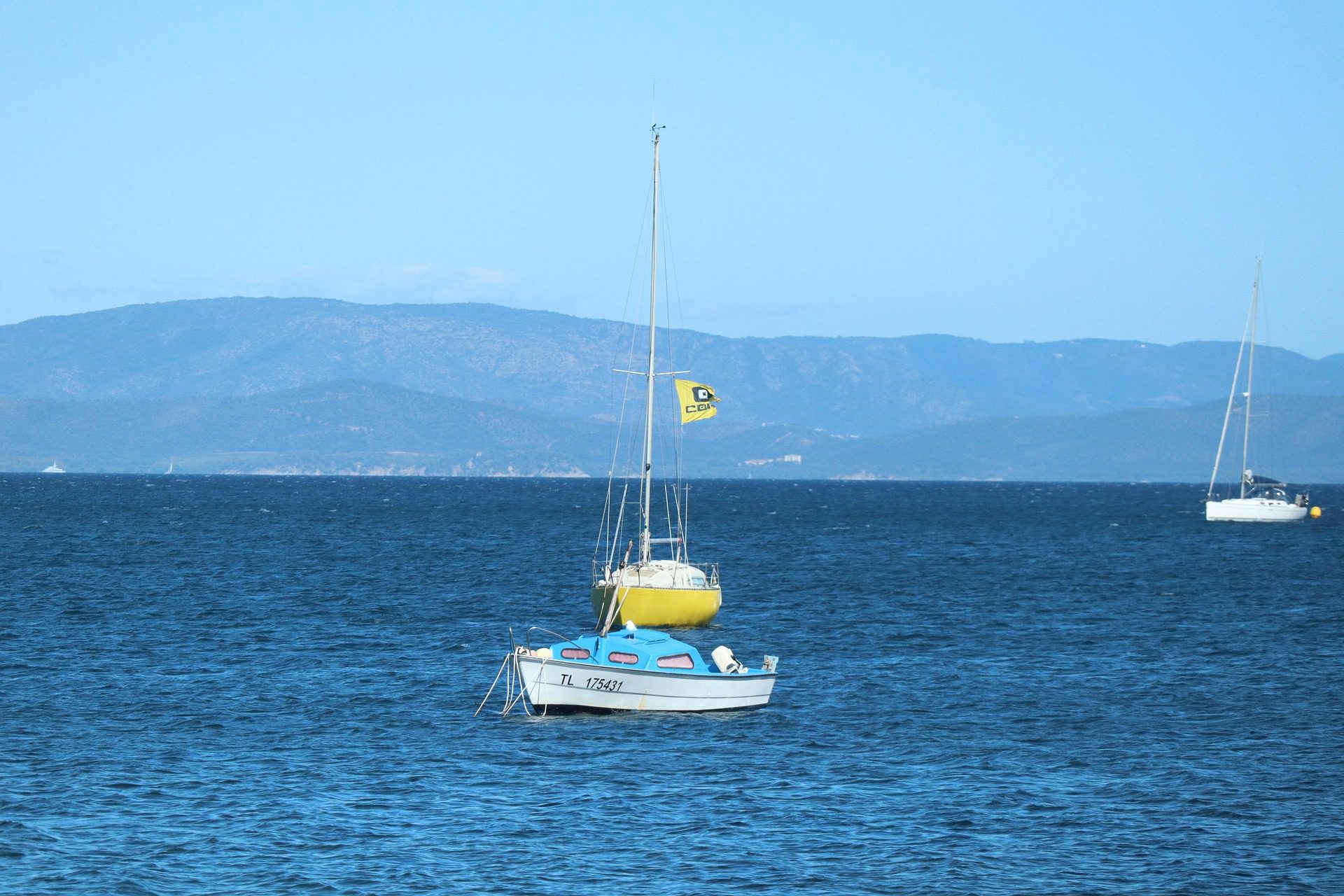
harbour with boats

Extended Day Trip: Rondinara Bay and the Cerbicale Islands

Head southwest for 24 nautical miles. Depending on your vessel, the journey takes approximately 1 to 1.5 hours.

Your first stop is Rondinara Bay, famous for its almost perfectly shell-shaped curve, crystal-clear blue waters, and fine white sand. It regularly appears in rankings of Europe’s most beautiful beaches.

Anchoring is permitted within the bay, making it an ideal spot for swimming and snorkeling.

Continue to the Cerbicale Islands, a protected archipelago. Landing on the islands is prohibited, but the surrounding waters offer exceptional marine biodiversity and some of the finest snorkeling opportunities in the region.

On the return journey, consider stopping at Pinarello.

The Signature Day Trip: The Lavezzi Islands and Bonifacio

This is the flagship excursion for powerful motorboats and favorable weather conditions.

The Lavezzi Islands are located 24 nautical miles from Solenzara, requiring approximately 1.5 to 2 hours of navigation.

This granite archipelago is a protected nature reserve renowned for its wild beauty. Its underwater ecosystems rank among the richest in the Mediterranean, featuring colorful fish, spiny lobsters, and remarkable granite formations sculpted by centuries of currents and waves.

Mooring areas are clearly marked; ensure that you strictly respect authorized anchoring zones.

From the Lavezzi Islands, Bonifacio is a further 7 nautical miles away.

The crossing through the Strait of Bonifacio, between towering white limestone cliffs and granite islands, is considered one of the most spectacular boating experiences in the Mediterranean.

Arrive at Bonifacio’s lower harbor for lunch, explore the dramatic clifftop old town, and return in the afternoon.

Important: This itinerary requires:

  • A sufficiently powerful boat
  • Favorable weather confirmed on the morning of departure
  • Ideally, an experienced skipper

Currents in the Strait of Bonifacio can be extremely strong, and sudden wind gusts are common.

One-Week Cruise: Sardinia and Elba Island

Perfect for sailboats and catamarans.

From Solenzara, a one-week itinerary can include:

  • Pinarello
  • Rondinara
  • The Lavezzi Islands
  • Bonifacio
  • Santa Teresa Gallura in Sardinia (7 nautical miles from Bonifacio)
  • Porto-Vecchio
  • Return to Solenzara

Elba Island can also be reached within approximately two days of sailing, located 62 nautical miles away.

This route offers one of the finest cruising experiences in the Western Mediterranean.

Weather and Navigation: East Coast Corsica Essentials

Navigating Corsica’s east coast without understanding its local wind patterns can create unnecessary risks. Here are the key points to know.

The Libeccio

A southwesterly wind that commonly affects the east coast during summer.

It often begins to build in mid-morning and strengthens throughout the afternoon.

A fundamental rule of local navigation is:

Leave the marina before 9:00 a.m. for longer crossings and plan to return before 2:00 p.m. during July and August.

The Tramontane

A northerly to northwesterly wind that can arrive suddenly and with considerable force.

It is particularly notorious in the Strait of Bonifacio, where gusts may exceed 40 knots with little obvious warning.

Never depart for Bonifacio without consulting at least two independent weather forecasts.

The Natural Shelter of Corsica’s East Coast

Corsica’s central mountain range acts as a natural barrier against prevailing westerly winds.

As a result, the east coast is generally more sheltered than the west coast.

However, this protection is only relative and should never replace prudent seamanship and weather monitoring.

Recommended Resources Before Any Departure

  • Météo-France Marine – official marine forecasts
  • Windguru – Solenzara weather station forecasts
  • Windy – detailed wind visualization and hour-by-hour evolution

Emergency at Sea

CROSS Méditerranée (Maritime Rescue Coordination Center)

Emergency number: 196

  • Free of charge
  • Available 24/7
  • Reachable from any phone in France

When Is the Best Time to Rent a Boat in Solenzara?

The boat rental season generally runs from April through October for most operators. Some companies, such as Corsil Marine, offer year-round rentals, but availability outside the main season remains limited.

PeriodWeatherCrowdsPricesOur Opinion
April – MayExcellentAlmost noneVery lowPerfect for peaceful exploration
JuneVery goodModerateModerateBest overall balance
July – AugustHot and sunnyHigh+30–40%Book 6–8 weeks in advance
September – OctoberIdealLowLowBest value for money
November – MarchVariableVery lowVery lowVery limited availability

Our Recommendation

September and October are the standout months.

The sea reaches its warmest temperatures (24–26°C / 75–79°F), winds tend to be more stable than in midsummer, the coves are almost deserted, and rental prices drop by 30–40% compared to August.

June offers a similarly attractive balance, with the added benefit of long daylight hours and generally calm sea conditions.
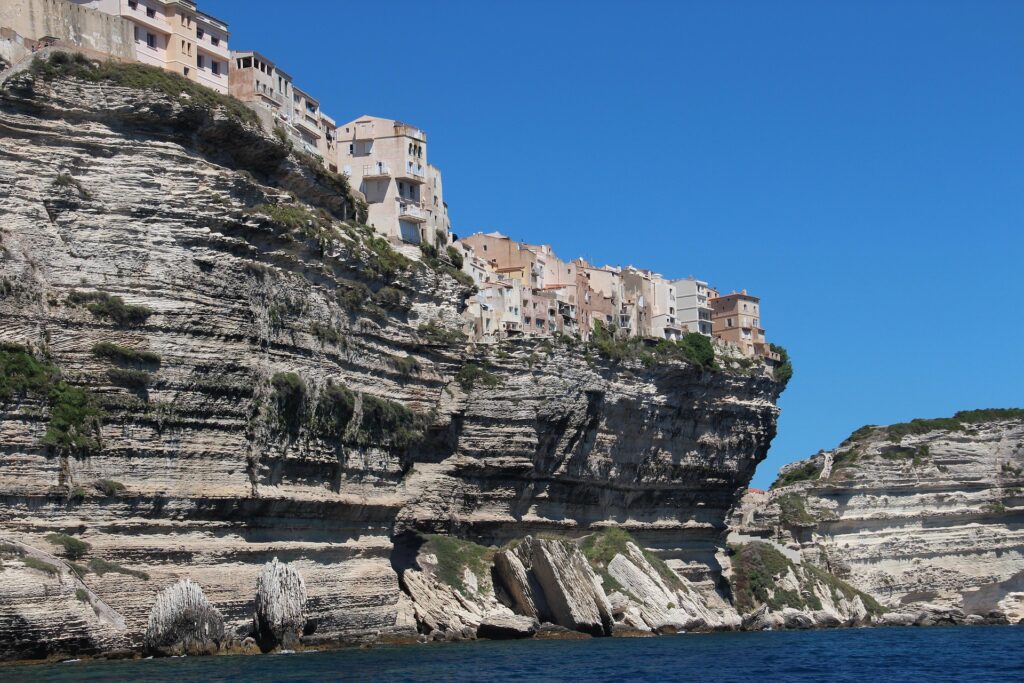
cliffs at Corsican sea

How Much Does It Cost to Rent a Boat in Solenzara?

Typical 2026 rates vary depending on the type of vessel, rental duration, and season. The following ranges provide a realistic estimate:

  • License-free motorboat (day rental): €100–€200
  • Twin-engine RIB with skipper (day rental): €350–€600
  • Open boat or cabin cruiser (day rental): €400–€700
  • Sailboat (one week, bareboat): from €1,000
  • Catamaran with skipper (one week): from €2,500

Additional Costs to Consider

Fuel: Expect to spend approximately €40–€120 for a day trip to the Lavezzi Islands or Bonifacio, depending on your speed and the type of boat.

Security deposit: Typically between €500 and €2,500, depending on the vessel. The amount is usually pre-authorized on a credit card and only charged in the event of damage.

Always review the rental agreement carefully, paying particular attention to:

  • Authorized cruising areas
  • Insurance deductibles and exclusions
  • Fuel policies
  • Deposit conditions

Recommended Booking Platforms

  • SamBoat
  • Click&Boat
  • Nautal
  • GlobeSailor

Local Charter Companies

For direct bookings, consider contacting:

  • Solenzara Marine Service
  • Corsil Marine
  • Marine Voile Location
  • Corse Nautic Service

Direct bookings often provide better rates outside the peak summer season.

Practical Tips Before Heading Out to Sea

  • Book early during July and August. Solenzara offers fewer boats than Porto-Vecchio, and the most desirable vessels are often fully booked six to eight weeks in advance.
  • Check the weather forecast both the day before and the morning of departure using Météo-France Marine and Windguru. Never attempt a trip to the Lavezzi Islands or Bonifacio if conditions are uncertain.
  • Leave early for longer crossings. In summer, departing before 9:00 a.m. is strongly recommended, as the Libeccio often strengthens by mid-morning and can make the return journey more challenging.
  • Bring enough supplies for the entire day. Remote beaches and coves typically have no shops or services. Carry plenty of drinking water, food, and high-SPF sunscreen.
  • Respect regulations in the Lavezzi Nature Reserve. Anchoring is permitted only in designated areas, and landing is prohibited in protected zones.
  • Take photos of the boat before departure, including the hull, dashboard, and onboard equipment. This simple precaution can help avoid disputes when returning the vessel.
  • Emergency at sea: Contact CROSS Méditerranée by dialing 196. The service is free and available 24 hours a day.

Conclusion

Solenzara is Southern Corsica’s hidden gateway.

You will enjoy the same sea, the same crystal-clear waters, and access to the same iconic destinations as Porto-Vecchio—but without the crowds, without the traffic, and with a unique sea-and-mountain backdrop found nowhere else on the island.

The marina is well equipped, the range of rental options is extensive, and the itineraries available from Solenzara rank among the most spectacular in the Mediterranean.

Choose June, September, or October for the best value, compare offers on platforms such as SamBoat and Click&Boat, and don’t wait too long to book during peak season.

In Solenzara, the best boats are snapped up quickly.

For good reason.
Boat Rental in Santorini: The Complete Guide

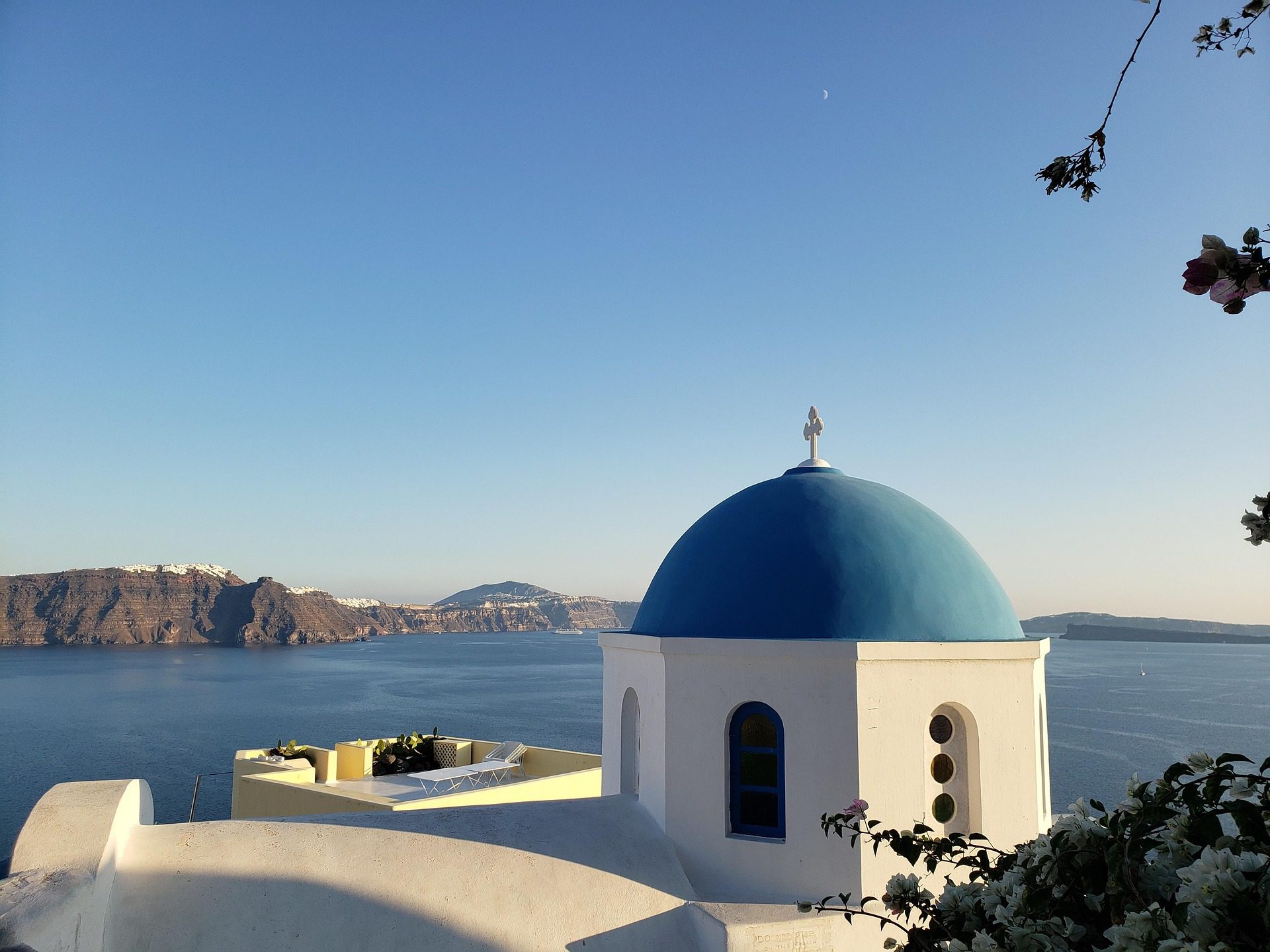
Santorini

Renting a boat in Santorini is unlike any other experience in the Mediterranean. Imagine gliding across deep sapphire-blue waters at the foot of towering volcanic cliffs, shaped by millennia of eruptions.

This exceptional destination, a true gem of the Cyclades, is best discovered from the sea—where the contrast between dark volcanic rock and whitewashed villages is at its most striking.

In this guide, you’ll find everything you need to plan your perfect outing: from the best boats suited to the caldera, to pricing, top itineraries, and expert tips for an unforgettable sailing experience.

Why rent a boat in Santorini?

Renting a boat in Santorini is the only way to fully grasp the scale of its caldera—a partially submerged volcanic crater formed thousands of years ago.

This unique geography creates a breathtaking landscape, where steep cliffs reveal layers of rock in surreal colors, invisible from land. From the sea, you’ll enjoy an exclusive panorama of whitewashed villages perched dramatically on the edge of the cliffs.

Far from the crowds of black-sand beaches, this premium experience offers complete privacy, allowing you to explore wild corners and spectacular rock formations accessible only by boat.

Where to rent a boat in Santorini?

Your choice of departure point will mainly depend on where you’re staying on the island and the type of experience you’re looking for.

Vlychada (main port)

Located on the southern coast of Santorini, Vlychada is the island’s main yachting hub. Most of the catamarans and sailboats are based here.

The port is famous for its pumice cliffs sculpted by erosion, offering a spectacular setting from the very first moments of your trip at sea.

Ammoudi Bay

Nestled at the foot of the iconic cliffs of Oia, Ammoudi Bay is the preferred starting point for exploring the northern part of the caldera.

This charming fishing harbor, with its turquoise waters and renowned seafood restaurants, is ideal if you want quick access to the volcanic islets or to enjoy the sunset without crossing the entire island.

Fira

While Fira’s old port is mostly reserved for cruise ships, it also accommodates a few private boats and tourist shuttles.

Accessible by cable car or via the famous winding steps, it’s a convenient central option for travelers staying in the capital who want a direct excursion into the heart of the volcano.

Local rental companies

Choosing a local provider based directly in the island’s ports often means benefiting from personalized advice on the specific currents of the caldera.

These companies frequently offer tailor-made itineraries and a level of flexibility that larger booking platforms don’t always provide.

What types of boats can you rent in Santorini?

Your choice of boat will shape your entire experience in this volcanic setting.

  • Motorboats: perfect for a fast and dynamic exploration of the caldera
  • Catamarans: highly popular in Santorini, offering superior comfort and stability—often with a skipper included for a fully relaxing experience
  • Sailboats: ideal for those seeking a more authentic and peaceful journey, guided by the wind
  • Yachts: the ultimate option, combining luxury, premium services, and an exceptional sailing experience

Can you rent a boat without a license in Santorini?

In Santorini, license-free rentals are limited and less common than in other Mediterranean destinations. While a few small boats are available, navigating the caldera can be technically challenging due to deep waters and shifting winds.

As a result, renting with a skipper is the local standard. Hiring a professional is strongly recommended to ensure safe navigation in this complex environment.

For those who do hold a boating license, full autonomy is possible. However, this option is less popular with tourists, who often prefer a guided experience to fully enjoy the scenery without worrying about navigation.

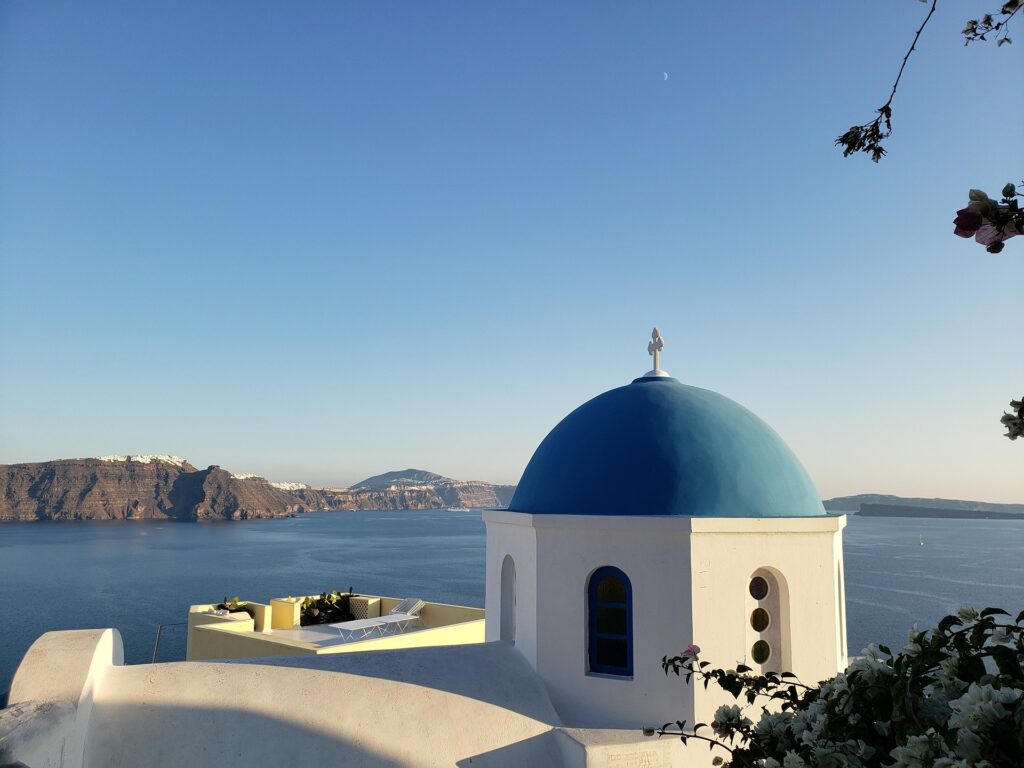
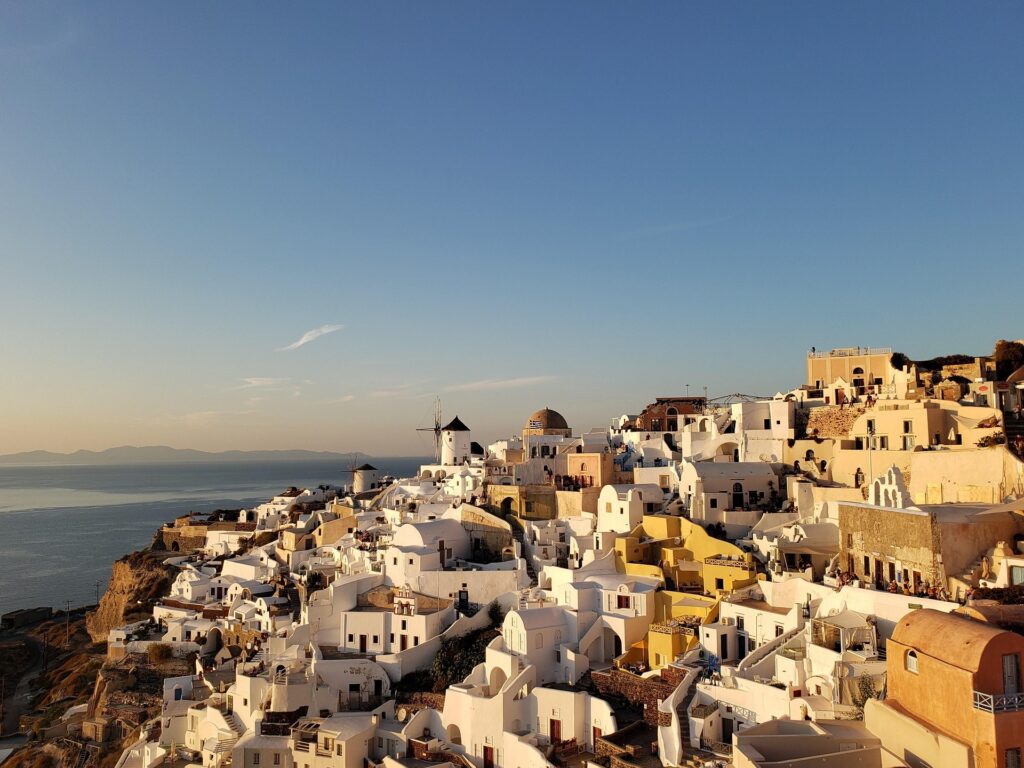
Houses in Santorini

Boat rental prices in Santorini

The budget for sailing in the caldera varies significantly depending on the level of comfort and services you’re looking for.

Average rates

Prices are typically calculated per day or for half-day trips (around 5 hours, either morning or sunset):

  • Motorboat: €300 to €800 per day, depending on size and power
  • Catamaran: €800 to €2,500 per day—this is the most popular option for groups
  • Yacht: from €1,500 to over €10,000 per day for high-end vessels

What affects the price?

Several factors can influence the final cost:

  • Season: prices peak in July and August, while May or October offer more affordable options
  • Duration: a full-day rental is proportionally more expensive than a shorter sunset cruise
  • Type of boat: a traditional sailboat is usually less expensive than a modern catamaran or motor yacht
  • Included services: the presence of a full crew or gourmet options directly impacts the price

What’s included

Unlike many other destinations, rentals in Santorini are often offered as all-inclusive packages to simplify the experience:

  • Skipper: a professional captain is almost always included
  • Meals and drinks: a typical Greek lunch or dinner, often accompanied by local beverages, is frequently served on board
  • Snorkeling equipment: masks, snorkels, and fins are usually provided for swimming stops

Weather conditions and navigation in Santorini

Sailing in the caldera of Santorini requires extra caution, as conditions differ significantly from the more sheltered waters of mainland Mediterranean coasts.

The Meltemi (dominant summer wind)

The Meltemi is the characteristic wind of the Aegean Sea during summer, typically blowing from the north between June and September.

While it provides a welcome breeze to ease the Cycladic heat, it can rise suddenly and blow strongly, affecting the stability of smaller boats and forcing changes to planned routes.

Rougher seas in certain areas

Due to the volcanic topography and the caldera’s opening to open sea, some areas can experience choppier conditions.

The waters near Akrotiri or the passages between the volcanic islands of Nea Kameni and Palea Kameni are known for stronger currents and more pronounced chop, which can make navigation uncomfortable for inexperienced passengers.

More technical navigation than on the French Riviera

Unlike the French Riviera, where seabeds slope gently, Santorini features abrupt, abyssal depths reaching up to 400 meters in the heart of the crater.

This makes anchoring particularly challenging—or even impossible—in many areas. Navigation here is more technical and demanding, requiring precise knowledge of the few safe anchorage spots, which explains why hiring a local skipper is strongly recommended.

Must-see boat itineraries in Santorini

Exploring Santorini by sea reveals breathtaking panoramas inaccessible from land, showcasing the full geological power of the archipelago.

Half-day: Santorini caldera

This route focuses on the heart of the volcanic crater. It offers a unique perspective of Fira and Oia, where white houses appear suspended atop dramatic cliffs.

It’s the perfect itinerary to admire the layers of dark rock and ash that tell the story of past eruptions.

Full day: volcanic islands

A longer excursion allows you to venture into the center of the caldera and explore its volcanic islets:

  • Nea Kameni
    Discover the lunar-like landscape of this active volcano
  • Palea Kameni
    Famous for its sulfur-rich hot springs, where you can swim in naturally heated, mineral-rich waters

Beach itinerary

Santorini’s geological diversity is also reflected in its unique swimming spots, many of which are best accessed by sea:

  • Red Beach
    Known for its striking red lava cliffs plunging into turquoise waters
  • White Beach
    A dramatic contrast, with bright white limestone cliffs and sea caves

Sunset cruise

This is the must-do experience in Santorini. Sailing in the late afternoon allows you to watch the sun dip into the Aegean Sea from the deck of your boat.

Under golden-orange light, the cliffs of Oia glow in a truly magical way—offering an unforgettable moment far from the crowds gathered in the village streets.

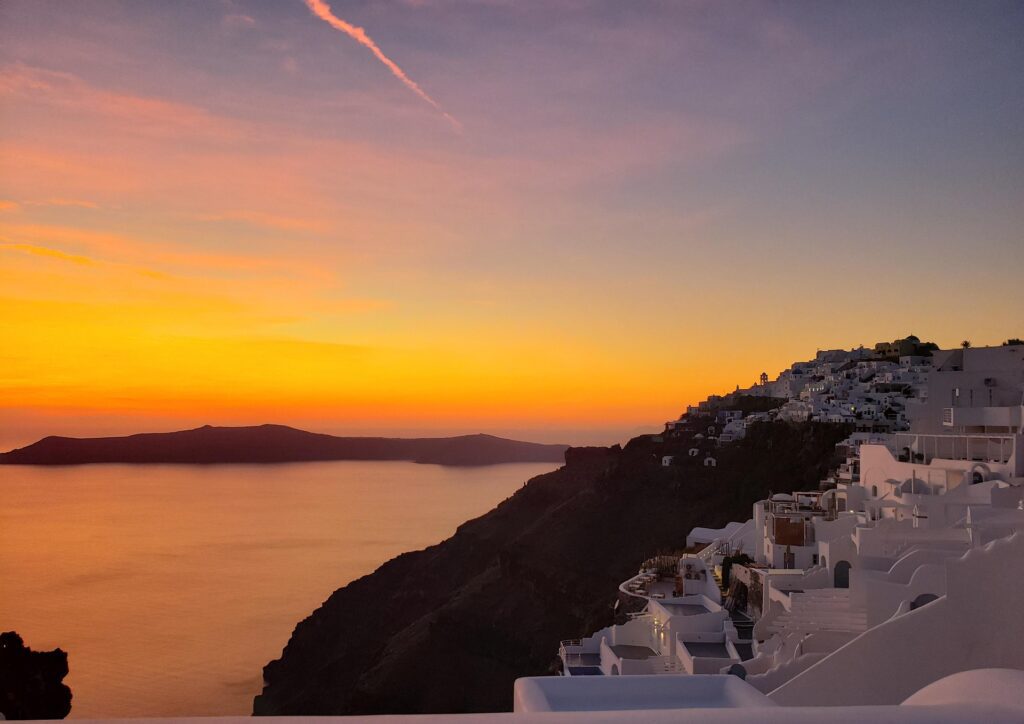
Sunset at Santorini

What to do on a boat in Santorini?

A day at sea in Santorini offers a wide range of sensory and visual experiences in a truly unique geological setting.

Explore the caldera

Sailing through the center of this vast volcanic crater is the island’s signature experience. From the deck, you can admire whitewashed villages perched high atop dramatic cliffs, as well as the dark layers of volcanic rock that tell the story of the archipelago’s eruptive past.

Swim in the hot springs

Most routes naturally lead to the volcanic islets of Nea Kameni and Palea Kameni.

Here, you can swim in sulfur-rich hot springs, where the water takes on an orange tint and a pleasantly warm temperature thanks to ongoing underwater volcanic activity.

Go snorkeling

The deep waters of the caldera conceal fascinating volcanic seabeds. Stopping near iconic spots like Red Beach or White Beach allows you to enjoy excellent visibility for observing marine life and submerged rock formations.

Admire the sunset

This is Santorini’s most sought-after experience. In the late afternoon, boats typically position themselves below the village of Oia, offering an unobstructed view of the sun setting into the Aegean Sea.

As golden and purple hues light up the cliffs, the atmosphere becomes truly magical—far from the crowds gathered in the village streets.

When is the best time to rent?

Choosing the right season is key for sailing in Santorini.

  • High season (June to September): ideal weather and warm waters, although the Meltemi wind can be strong, sometimes making the sea choppier
  • Shoulder season (May and October): often the best choice, with pleasant temperatures, lighter winds, and fewer tourists
  • Low season: generally not recommended for boating, as rental options are limited and weather conditions become too unpredictable for safe outings

Tips for choosing the right rental

For a successful experience in Santorini, it’s highly recommended to opt for a boat with a skipper. Their knowledge of volcanic currents and complex anchorage spots ensures both safety and access to hidden gems.

Be sure to book well in advance, especially during peak season when demand is extremely high. Before confirming your booking, check what’s included—such as fuel, meals, or snorkeling equipment—to avoid unexpected costs.

Finally, adapt the duration of your trip: a five-hour cruise is ideal for fully enjoying the sunset without rushing.

Which boat should you choose based on your profile?

Your choice of boat depends mainly on the kind of experience you’re looking for:

  • For couples: a sunset catamaran cruise is perfect for a romantic atmosphere and breathtaking views
  • For groups of friends: a large day catamaran offers space, comfort, and extended swimming stops
  • For luxury travelers: a private yacht provides top-tier service and complete exclusivity
  • For budget travelers: a shared boat is a more affordable way to explore the caldera

Conclusion

Renting a boat in Santorini is more than just an activity—it’s a full sensory immersion into a dormant volcanic giant.

Between towering cliffs, hot springs, and exclusive panoramas, this experience transforms your trip into an unforgettable memory. Whether you choose the intimacy of a sailboat or the comfort of a catamaran, sailing through the caldera remains the only way to truly appreciate the raw power and wild beauty of this unique destination.

Boat Rental in Hyères: Complete Guide

the sea at Hyères

Sailing through crystal-clear waters and pine-lined coves around the Golden Islands requires careful planning. The port of Hyères stands out as the most strategic departure point to reach Porquerolles or Port-Cros in just a few minutes.

This practical guide walks you through every step of renting a boat in Hyères, with local insights to help you manage your budget and avoid common navigation mistakes in this regulated area.

Why Rent a Boat from the Port of Hyères Rather Than Elsewhere on the French Riviera?

The port of Hyères stands out for its prime location, offering major logistical and environmental advantages for boaters.

Fastest Access to Porquerolles

Its proximity to Porquerolles is the key advantage: it takes only 15 to 20 minutes of sailing to reach the first beaches. Choosing a boat rental in Hyères allows you to avoid strict ferry schedules and the crowds of packed shuttles during peak season.

Direct Access to Port-Cros

The port is also the ideal gateway to the Port-Cros National Park. This preserved sanctuary is home to exceptional marine life and seabeds, offering some of the best diving and anchoring spots in France—often difficult to reach in a single day from more distant ports.

Less Crowded Than Saint-Tropez or Cannes

Unlike the busy waters of Cannes or Saint-Tropez, the Hyères area offers smoother navigation. With less congestion from large yachts, it provides a more natural and authentic experience, focused on discovering the wild landscapes of the Giens Peninsula.

Key Features of the Port of Hyères

The Role of the Giens Peninsula

The Giens Peninsula acts as a natural barrier. Depending on wind direction, it partially shelters the waters, creating calm zones on one side while leaving others exposed to waves. Checking the local weather forecast is essential to plan a route protected from swell.

Different Departure Points Around Hyères

In addition to the main harbor, several alternatives are available for boat rentals in Hyères:

  • Port de l’Ayguade: ideal for quick access to open waters
  • La Londe-les-Maures: popular for its proximity to eastern beaches
  • Port du Niel: a more discreet and sheltered spot on the peninsula

Regulated Navigation in Protected Areas

The proximity of the national park means navigation is strictly regulated. Many areas prohibit anchoring to protect Posidonia seagrass beds. In certain zones, the use of eco-friendly mooring buoys is mandatory to preserve marine ecosystems.

Which Types of Boats Are Best Suited for Hyères?

RIBs (rigid inflatable boats) are ideal for quickly reaching Porquerolles thanks to their agility. For coastal cruising, license-free boats are a good option, although navigation zones are limited.

Exploring Port-Cros is better suited to sailboats or catamarans for a smoother, more relaxed experience. However, always consider weather conditions: in strong winds or rough seas, lighter boats should be avoided to ensure safety.

How Much Does It Cost to Rent a Boat in Hyères?

Boat rental prices in Hyères vary depending on the season and type of vessel. Expect to pay around €350 per day for a high-performance RIB and approximately €230 for a license-free boat.

High demand for Porquerolles during summer can drive prices up. In addition to the rental fee, plan a fuel budget of around €40 to €70 for a round trip to the Golden Islands.

A boat at sea in Hyères

Boat Rental in Hyères Based on Your Profile

With Family: Head to Porquerolles

Porquerolles is the top destination for families. Its famous beaches, such as La Courtade and Plage d’Argent, feature clear, shallow waters—perfect for safe swimming with children.

With Friends: Coves and Atmosphere

For a fun outing, head to the livelier northern areas of Porquerolles. Renting a spacious RIB makes it easy to access sheltered coves, combining snorkeling sessions with relaxing moments anchored with music.

As a Couple: Peaceful Spots Around Giens

Couples looking for tranquility will prefer the coves along the Giens Peninsula. Less crowded than the main island beaches, these wild inlets offer an intimate setting—perfect for enjoying a sunset away from the crowds.

For a Bachelor / Bachelorette Party

Organizing a group event in Hyères requires precise timing to enjoy the best spots around the Golden Islands. Renting a large catamaran or multiple boats allows access to spacious anchorage areas for a memorable and festive day.

Must-See Routes from the Port of Hyères

The port of Hyères offers privileged access to some of the Mediterranean’s most stunning locations. Here are the key routes to consider for your next boat trip.

Hyères → Porquerolles

This is the must-see destination. In just a few minutes of crossing, you’ll reach the famous Plage d’Argent, known for its white sand and crystal-clear waters. Continue east to anchor near Notre-Dame Beach, regularly ranked among the most beautiful beaches in Europe, offering a preserved natural setting lined with pine trees.

Around Port-Cros

For lovers of unspoiled nature, sailing around Port-Cros is a unique experience. The crystal-clear waters of the Port-Cros National Park allow you to observe exceptional marine life with just a mask and snorkel. Groupers and sea bream are particularly easy to spot thanks to the area’s strict protection.

Hyères → Île du Levant

Less visited by the general public, Île du Levant offers a wilder, more authentic atmosphere. Its rocky coastline and steep coves are perfect for those seeking absolute tranquility away from the summer crowds.

Sailing Around the Giens Peninsula

This shorter route is ideal for a half-day trip. Following the cliffs of the peninsula reveals sea caves and sheltered inlets while consuming less fuel. It’s also the safest option if the wind picks up, as you remain close to the harbor.

Weather and Winds in Hyères: What You Need to Know

Navigation in Hyères is largely influenced by two dominant winds.

The Mistral, a northwesterly wind, can blow in strong gusts and make sailing conditions challenging, especially when crossing to the islands. On the other hand, the easterly wind can quickly create rough seas and make anchoring around Porquerolles uncomfortable.

For the best conditions, plan your trip in the morning, when the sea is generally calmer. In the afternoon, a thermal breeze often develops, creating choppier waters that require extra caution, particularly for smaller boats.

Where to Anchor in Hyères (Authorized Areas)

Successfully anchoring during a boat rental in Hyères requires strict compliance with the environmental regulations of the national park. Authorized zones around Porquerolles, such as Alicastre Bay, offer sandy seabeds ideal for anchoring.

However, it is strictly forbidden to anchor on Posidonia seagrass beds—the “lungs” of the Mediterranean—under penalty of heavy fines. To protect these ecosystems, it is strongly recommended to use eco-friendly mooring buoys installed in sensitive areas. These systems ensure safe anchoring while preserving local marine life.

boat rental in Hyères

Practical Tips Specific to Hyères

Optimizing your boat rental in Hyères requires careful planning. It is best to leave early in the morning to get ahead of ferry traffic to Porquerolles and secure the best spots in the coves, which tend to fill up by midday.

Fuel management is also essential: although the islands are close, consumption can increase quickly if the wind picks up on the return trip.

Finally, in July and August, booking your boat several weeks in advance is crucial to guarantee availability in this highly sought-after area.

Should You Rent with a Skipper in Hyères?

Hiring a professional skipper for your boat rental in Hyères is particularly useful when heading to Port-Cros, where navigation can be more technical due to strict regulations and rocky seabeds.

This option is also highly recommended in case of strong winds such as the Mistral, ensuring a safe and stress-free experience for all passengers.

Additionally, a skipper provides a premium experience when exploring the Golden Islands. Beyond navigation, they share valuable local knowledge, guiding you to hidden coves and the best snorkeling spots away from crowded tourist areas.

When Is the Best Time to Rent a Boat in Hyères?

Choosing the right time for your boat rental in Hyères has a direct impact on your overall experience.

  • June and September: the ideal balance, with pleasant temperatures, warm water, and moderate crowds
  • July and August: very busy, making access to Porquerolles beaches more difficult and increasing prices
  • October to May: quieter and more affordable, but with more variable weather and stronger winds requiring extra caution

Conclusion

Renting a boat in Hyères is the perfect starting point for exploring the Golden Islands and the Giens Peninsula. By planning ahead and respecting protected areas, you’ll fully enjoy this exceptional marine sanctuary.

Whether you prefer the peacefulness of the low season or the lively atmosphere of summer, the diversity of routes ensures a truly memorable boating experience along the Var coastline.

Boat Rental in Carqueiranne: The Complete Guide

carqueiranne

Discover the wild Mediterranean from a human-scale harbor. Located at the gateway to Hyères, a boat rental in Carqueiranne offers privileged access to the Giens Peninsula and the Golden Islands. Between limestone cliffs and hidden coves, enjoy complete freedom to cruise far from the tourist bustle. It’s the ideal strategic departure point for an authentic escape along the Var coastline.

Why Rent a Boat in Carqueiranne?

Choosing a boat rental in Carqueiranne means prioritizing authenticity and efficiency for your day at sea in the Var region.

A Preserved and Spectacular Coastline

Far from the overdevelopment of major seaside resorts, Carqueiranne reveals a raw and unspoiled landscape. Its limestone cliffs plunge into crystal-clear waters, sheltering wild coves accessible only by sea. The setting offers a natural, intimate atmosphere — perfect for those seeking peace and tranquility.

Smooth and Stress-Free Navigation

Unlike the ports of Hyères or Le Lavandou, which are often congested, Carqueiranne allows for a quick and relaxed departure. With lighter maritime traffic, anchorages are easier to access from the very first nautical miles.

Direct Access to the Golden Islands

The port enjoys a strategic geographic location:

Giens Peninsula: Just minutes away by boat.
Porquerolles: A direct course toward its legendary white-sand beaches.
Port-Cros: Easy access to the heart of the National Park.

What Types of Boats Can You Rent in Carqueiranne?

The available fleet caters to every boating plan.

A license-free boat rental in Carqueiranne is the preferred option for beginners who wish to explore the coastline safely and simply for a half-day trip.

To cross over toward the Hyères Islands, opt for a licensed boat rental. RIBs (rigid inflatable boats) and motor cruisers provide the power needed to reach Porquerolles quickly.

For premium outings — birthdays or corporate seminars — a yacht rental with skipper offers a tailor-made experience. This personalized service frees you from technical responsibilities, allowing you to fully enjoy the stunning Var scenery.

Where to Sail from Carqueiranne?

The Port of Carqueiranne is the gateway to some of the Var region’s most iconic destinations. Here are the must-see spots for your itinerary.

The Giens Peninsula

Located just nearby, the southern coast of Giens offers a wild and dramatic landscape. Cruise beneath its steep cliffs to uncover secluded coves inaccessible from hiking trails. Its bays provide numerous sheltered anchorages, perfect for a safe swimming break.

Porquerolles Island

This is the flagship destination. After a crossing of approximately 45 minutes, you’ll reach the legendary beaches of Notre-Dame or Argent. Turquoise waters and fine sand evoke tropical lagoons — all within a preserved Mediterranean setting.

Port-Cros Island

Home to Europe’s first marine National Park, Port-Cros is a sanctuary for snorkeling enthusiasts. Its remarkable seabeds teem with marine life. It is the perfect destination for lovers of untouched wilderness, where calm and nature reign supreme.

Toward Le Lavandou

Cruising east along the coastline reveals wild bays far less crowded than the main tourist routes. This coastal journey unfolds a succession of rocky headlands and sandy beaches, offering a peaceful alternative to the Golden Islands.

carqueiranne

Recommended Anchorage Guide Around Carqueiranne

Mastering anchorage zones is essential for a successful day at sea. Here are the best spots based on local expertise.

Sheltered Anchorages According to Wind Conditions

The local topography offers effective fallback options depending on wind direction.

In case of a Mistral (West/North-West wind), seek shelter on the leeward side of the Giens Peninsula or in the Bay of La Garonne.

With an easterly wind, favor the coves located west of the Port of Carqueiranne or the Almanarre area, where the water remains significantly calmer.

Sandy Bottoms and Safe Anchoring

For secure anchoring, always aim for sandy seabeds (light-colored patches), which ensure excellent anchor holding.

These areas also prevent damage to protected posidonia seagrass beds, which are legally safeguarded. The surroundings of Plage d’Argent in Porquerolles offer particularly high-quality sandy bottoms.

Regulations and Protected Areas

The Port-Cros National Park enforces strict regulations. Anchoring is prohibited in certain zones to preserve marine biodiversity. Use organized mooring buoys whenever available.

Be aware that speed limits apply within the park’s perimeter. Spearfishing and jet skiing are strictly prohibited.

Ideal Coves for Lunch

For a peaceful lunch stop, head toward Anse du Blé or the small coves between Carqueiranne and the Port du Niel. These sheltered inlets, protected by limestone cliffs, offer rare privacy and a spectacular natural setting for a midday break.

How Much Does a Boat Rental in Carqueiranne Cost?

In 2026, pricing reflects the port’s strategic location.

License-free boat: €150 to €250 per day.
RIB (with license): €300 to €650 depending on engine power.
Premium yacht with skipper: Starting from €1,000.

In addition to the base rate, expect fuel costs (charged according to actual consumption upon return), a security deposit (credit card hold between €1,000 and €4,000), and optional extras such as cleaning services or water sports equipment.

Best Time to Rent a Boat in Carqueiranne

The boating season runs from May to September, offering generous sunshine throughout.

For the best experience, June and September are highly recommended: ideal temperatures, warm water, and moderate anchorage traffic.

During peak season (July and August), high demand requires booking several weeks in advance. This is also when the Mistral can blow strongly. Fortunately, the configuration of Carqueiranne and the Giens Peninsula allows you to quickly find sheltered areas on the leeward side, ensuring safe and comfortable navigation.

Practical Tips Before Booking

Proper planning guarantees a successful outing. Book in advance to secure the model you want.

On the day of departure, carefully check the local marine weather forecast, particularly wind conditions. Clarify security deposit and insurance terms to avoid any surprises. Arrive at the port 30 minutes before departure to complete formalities and conduct a thorough checklist: safety equipment onboard, engine condition, and fuel level.

Why Choose Carqueiranne Over Hyères or Le Lavandou?

Your choice of departure port plays a decisive role in the quality of your boating experience. While Hyères and Le Lavandou are major hubs, Carqueiranne stands out as a strategic alternative for boaters seeking tranquility.

Unlike neighboring ports that handle heavy tourist traffic, Carqueiranne maintains a more discreet and relaxed atmosphere. Parking is easier, and rental services tend to offer a more personalized welcome.

Geographically, the advantage is undeniable: you gain immediate access to the cliffs of the Giens Peninsula, avoiding the long crossing of Hyères Bay. Navigation toward Porquerolles is more direct and often better protected from chop.

Departing from Carqueiranne means saving valuable time for your anchorages while enjoying a smooth and serene start from the very first nautical mile.

carqueiranne

Recommended Itineraries by Duration

Optimize your cruise from Carqueiranne by selecting a route that matches your rental time.

Half-Day (4 hours) – Around the Giens Peninsula

Cruise along the southern cliffs of the peninsula. Explore the coves between Port du Niel and Pointe des Chevaliers.
Key benefit: Immediate proximity and quick change of scenery.

Full Day (8 hours) – Porquerolles Island

Cross toward Plage d’Argent or La Courtade. Enjoy lunch at anchor and circle the island if weather conditions allow.
Key benefit: Paradise beaches and turquoise waters.

Active Day (8 hours) – Port-Cros National Park

Longer navigation toward the wild island. Snorkeling along the underwater trail at La Palud Beach.
Key benefit: Preserved nature and rich marine life.

Sunset Cruise (2 hours) – Bay of Carqueiranne

Gentle cruising during the “Golden Hour” facing the Colle Noire Massif. Aperitif at sea.
Key benefit: Absolute calm and spectacular light.

Conclusion

A boat rental in Carqueiranne is the ideal way to explore the treasures of the Var coastline in complete serenity. Its strategic position facing the Giens Peninsula and the Golden Islands guarantees immediate escape, far from the crowds of major ports.

Whether you choose a license-free boat or a yacht with skipper, book your outing now and experience an unforgettable adventure on the French Riviera.

The Complete Guide to Visiting Indonesia

Visiting Indonesia

Indonesia, an archipelago of over 17,000 islands, is a true gem of Southeast Asia. This country, rich in culture and history, offers a breathtaking variety of landscapes—from majestic volcanoes and lush rice terraces to pristine beaches and tropical rainforests. If you’re planning a trip to Indonesia, this guide will take you through everything you need to know.

Must-See Natural Wonders

With thousands of islands, Indonesia is a paradise for nature lovers. From towering volcanoes to stunning waterfalls and tranquil lakes, the landscapes are as diverse as they are breathtaking. Here are some of the top natural sites to explore:

Volcanoes and Mountains

  • Mount Bromo (Java): This active volcano is a favorite among hikers. The sunrise view over its smoking crater is spectacular, and the trek is relatively easy.
  • Mount Rinjani (Lombok): For more experienced hikers, Mount Rinjani offers a challenging yet rewarding trek. The summit provides an incredible view of the caldera and Segara Anak Lake, a crater lake with stunning turquoise waters.
  • Kawah Ijen (Java): This unique volcano is home to an acidic crater lake with mesmerizing colors. It is also the site of sulfur mining, where workers extract sulfur in harsh conditions. At night, you can witness the famous blue flames, a truly fascinating phenomenon.
  • Mount Merapi (Java): One of Indonesia’s most active volcanoes, Mount Merapi offers a night trek leading to a lunar-like landscape at the summit. You may even witness volcanic activity—from a safe distance, of course.

Waterfalls and Stunning Landscapes

  • Tumpak Sewu (Java): Known as the “Thousand Falls Waterfall,” Tumpak Sewu is a jaw-dropping natural wonder where water cascades down multiple tiers of rocky cliffs. The background view of Mount Semeru adds to the magic.
  • Munduk Waterfall (Bali): Located in northern Bali’s mountains, Munduk Waterfall is nestled in lush greenery. The hike through the tropical rainforest makes it an ideal spot to relax and immerse yourself in nature.
  • Green Canyon (Java, Pangandaran): A hidden gem, the Green Canyon is a narrow gorge carved by a river. The boat tour takes you through untouched, wild landscapes, making it a must-visit for nature lovers.

Lakes and Unique Geological Formations

  • Lake Toba (Sumatra): The largest volcanic crater lake in the world, Lake Toba is rich in history and culture. It is home to the Batak people, an indigenous ethnic group known for preserving their ancestral traditions.
  • Kelimutu (Flores): Mount Kelimutu is famous for its three crater lakes, each with changing colors due to volcanic activity and water composition. The locals have fascinating legends about these mystical lakes.

Best Beaches and Tropical Islands

With its countless islands, Indonesia is a dream destination for beach lovers, divers, and relaxation seekers. Whether you’re looking for untouched islands or lively beach spots, Indonesia has something for everyone.

Unspoiled Archipelagos and World-Class Diving Spots

  • Raja Ampat Islands (West Papua): One of the best diving spots in the world, Raja Ampat is a natural treasure with extraordinary marine biodiversity. Expect to see colorful fish, sea turtles, sharks, manta rays, and more in its crystal-clear waters.
  • Togian Islands (Sulawesi): A hidden paradise, the Togian Islands are famous for their pristine coral reefs and turquoise waters. Whether you enjoy diving, snorkeling, or simply relaxing on white sand beaches, this destination is perfect for a peaceful retreat.
  • Karimunjawa Islands (Central Java): Still off the beaten path, the Karimunjawa Islands offer tranquility and natural beauty. With gorgeous beaches and excellent diving spots, they are an ideal getaway for travelers seeking serenity.
  • Derawan Islands (Borneo): A haven for nature lovers, the Derawan archipelago offers unique experiences, such as swimming with sea turtles and harmless jellyfish, exploring mangrove forests, or simply unwinding on stunning beaches.
  • Banda Islands (Maluku): These islands hold a rich historical significance as the heart of the 17th-century spice trade. Today, they attract scuba divers from around the world with their dramatic underwater cliffs and diverse marine life.
  • Banyak Islands (Sumatra): A hidden tropical paradise, the Banyak Islands are known for pristine white-sand beaches, turquoise lagoons, and world-class surf spots.
  • Mentawai Islands (Sumatra): Famous for preserving tribal culture and hosting some of the world’s best surf breaks, the Mentawai Islands are a hotspot for experienced surfers seeking powerful waves.

Indonesia offers a mesmerizing blend of adventure, relaxation, and culture—whether you’re hiking volcanoes, discovering ancient traditions, or diving into the most biodiverse waters on Earth.

Islands Famous for Relaxation and Nightlife

  • Lombok and the Gili Islands (Lombok): Lombok is a rapidly growing destination attracting more and more visitors. The Gili Islands, located off the coast of Lombok, are known for their idyllic beaches and lively nightlife (Gili Trawangan), while Gili Meno and Gili Air offer a more laid-back atmosphere.
  • Gili Asahan (Lombok): Still a hidden gem, Gili Asahan is a secluded, tranquil island, perfect for a peaceful retreat. Here, you can relax on white sandy beaches, swim in crystal-clear waters, or explore marine life through snorkeling.
A man visiting Indonesia

Cultural and Historical Treasures

Indonesia, with its rich history and cultural diversity, is home to numerous historical and cultural sites that reflect its eventful past and ancient traditions. From majestic temples and historical cities to traditional villages, these places immerse you in the heart of Indonesian culture.

Temples and Religious Sites

  • Borobudur (Java): A UNESCO World Heritage Site, Borobudur is the largest Buddhist temple in the world. Built in the 8th century, this architectural masterpiece features numerous stupas and intricate bas-reliefs depicting the life of Buddha.
  • Ulun Danu Temple (Bali): Located on the shores of Lake Bratan, this Hindu temple is one of Bali’s most iconic landmarks. Dedicated to the goddess of water, the temple appears to float on the lake, offering a breathtaking view, especially at sunrise and sunset.
  • Ubud (Bali): Considered the cultural heart of Bali, Ubud is famous for its temples, royal palaces, and artistic heritage. Visitors can attend traditional dance performances, explore art galleries, or stroll through the surrounding rice fields.

Cultural Towns and Villages

  • Rantepao and the Toraja Region (Sulawesi): This mountainous region is known for its unique funeral traditions. The Toraja people build traditional houses called “tongkonan” and hold elaborate multi-day funeral ceremonies, which are an integral part of their culture.
  • Pangandaran (Java): A rural area still off the beaten path, Pangandaran has preserved its authentic charm. Visitors can experience local craftsmanship, explore fishing villages, and enjoy the untouched surrounding nature.

Natural Reserves and National Parks

Indonesia, known for its extraordinary biodiversity, boasts numerous natural reserves and national parks that protect some of the world’s most unique wildlife and ecosystems. From orangutans and Komodo dragons to pristine coral reefs, these protected areas are true natural treasures.

Wildlife and Biodiversity

  • Tanjung Puting National Park (Borneo): One of the best places in the world to observe wild orangutans. A boat trip along the Sekonyer River offers visitors the chance to see these fascinating primates in their natural habitat.
  • Bukit Lawang (Sumatra): Another exceptional site for orangutan encounters. Here, visitors can trek through the jungle for a chance to spot these iconic Indonesian animals.
  • Wakatobi National Park (Sulawesi): A protected marine reserve, Wakatobi is world-famous for its stunning coral reefs. Ideal for diving and snorkeling, it offers vibrant underwater landscapes filled with colorful corals and exotic fish.
  • Komodo National Park (Flores): The only place on Earth where you can see the legendary Komodo dragons, giant lizards that can grow up to 3 meters long. Visitors can hike through Komodo and Rinca Islands to observe these prehistoric creatures in their natural habitat.

Geological Wonders and Protected Parks

  • Krakatau (Java-Sumatra): One of the most famous volcanoes in history, Krakatau is infamous for its 1883 eruption, which triggered a massive tsunami and was heard as far as Australia. Today, visitors can take a boat excursion to see this active volcanic site up close.

Unique and Immersive Experiences

Indonesia is not just about breathtaking landscapes and rich cultural heritage—it’s also a country where travelers can engage in unique, immersive experiences, connecting with both nature and local communities.

Outdoor Adventures and Sports

  • Hiking and trekking on volcanoes and mountains: As a land of volcanoes, Indonesia offers stunning treks for all levels. The sunrise hike at Mount Bromo is unforgettable, while the challenging Rinjani trek rewards climbers with an incredible view over the crater lake.
  • Surfing the waves of Lombok, Mentawai, and Banyak: Indonesia is a surfer’s paradise. The world-class waves in Lombok, Mentawai, and Banyak attract surfers of all levels, from beginners to professionals.
  • Snorkeling and diving in the world’s most beautiful marine spots: Indonesia’s underwater world is one of the richest in biodiversity. Raja Ampat is considered one of the best diving spots on the planet, while places like the Togian Islands and Wakatobi National Park also offer exceptional marine life experiences.

Local Life and Cultural Encounters

  • Homestays in remote islands like Raja Ampat and Karimunjawa: For a truly authentic experience, stay with a local family in off-the-beaten-path destinations. This is a unique opportunity to immerse yourself in traditional island life and experience local customs firsthand.
  • Attending Toraja funeral ceremonies: The Toraja people of Sulawesi are famous for their elaborate funeral rituals, where death is celebrated with music, feasting, and large ceremonies. Attending one of these ceremonies offers a deep cultural insight into Indonesian traditions.
  • Discovering Balinese and Javanese craftsmanship: Bali and Java are renowned for their artistic craftsmanship. Visitors can explore batik workshops, traditional wood carving studios, and mask-making artisans, learning about the region’s rich artistic heritage.
Visiting Indonesia

Conclusion

Indonesia, an archipelago of a thousand wonders, is a destination that never fails to amaze. Whether you are drawn to nature, history, culture, or adventure, you’ll find countless unforgettable experiences in this diverse and welcoming country.

So, don’t hesitate—let yourself be tempted by an unforgettable journey to Indonesia!