
Boat Rental on the Costa Brava: The Complete Guide
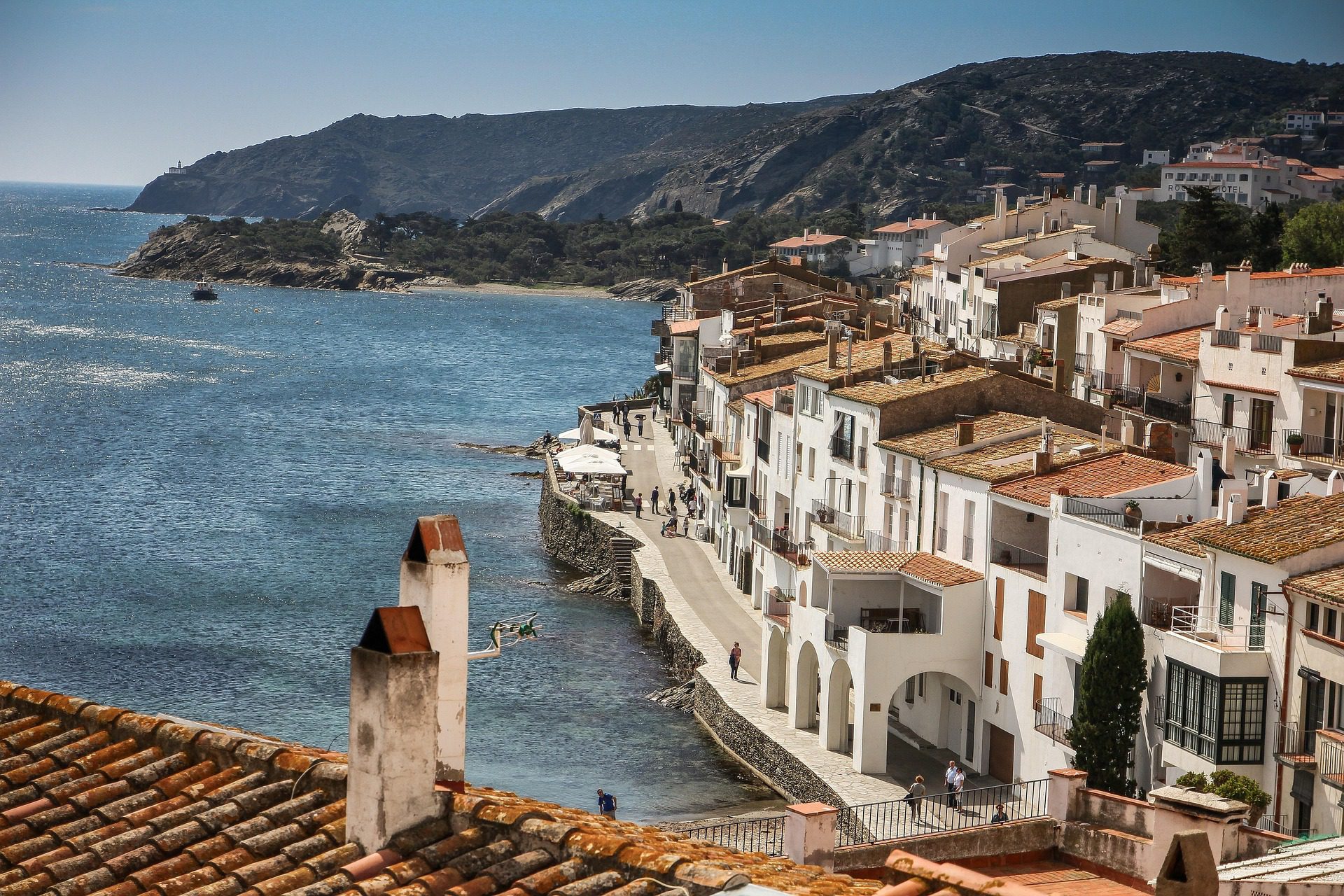
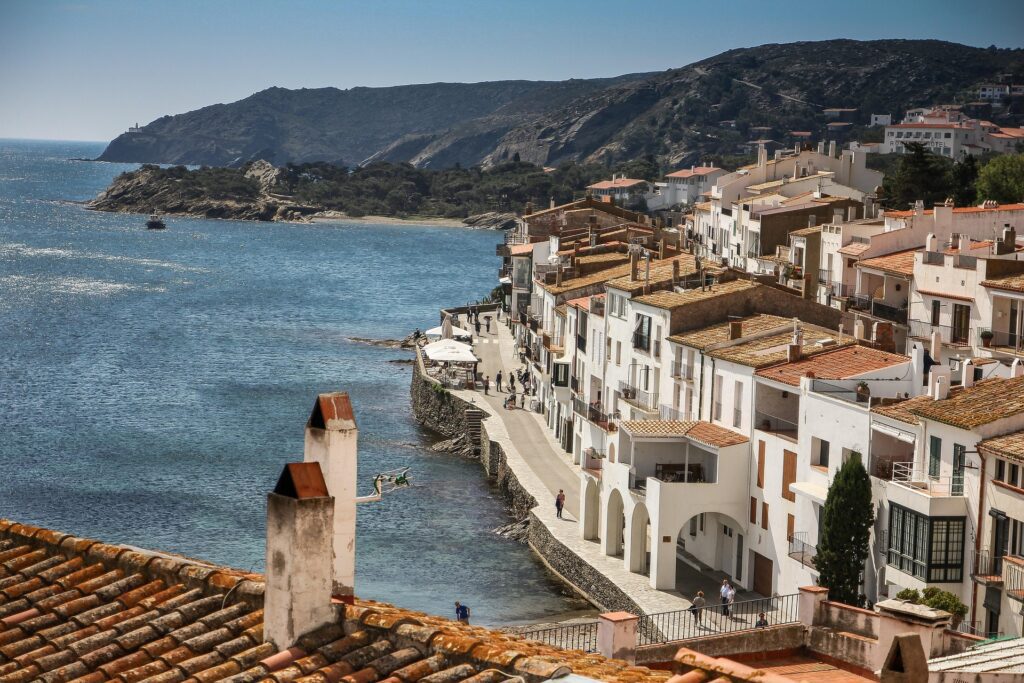
Renting a boat on the Costa Brava offers total freedom to sail between hidden coves and crystal-clear waters that are inaccessible by land. Stretching from Blanes to the French border, this rugged Catalan coastline alternates between dramatic cliffs and picturesque fishing villages.
This guide will help you find the ideal rental at the best price, with expert advice on routes and sailing conditions.
Why rent a boat on the Costa Brava?
The “Wild Coast” lives up to its name, offering a jagged shoreline where sailing completely transforms the travel experience.
Coves accessible only by sea
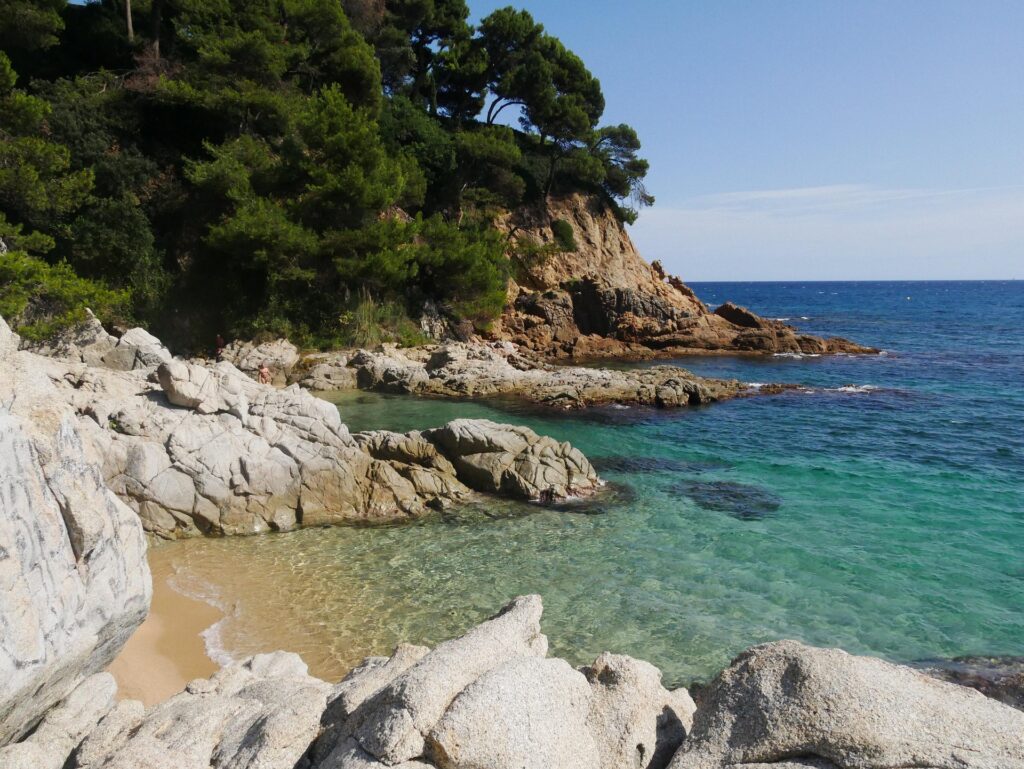
Catalonia’s rugged terrain hides geological treasures that cars and hikers simply can’t reach. By renting a boat, you gain access to secluded calas tucked beneath towering cliffs, where nature remains untouched.
It’s the only way to discover secret spots between Tossa de Mar and Cap de Creus—far from the crowds.
Crystal-clear water, perfect for swimming
The Costa Brava is famous for the exceptional clarity of its waters, often bordered by rocky seabeds and posidonia seagrass meadows. From your boat deck, you can dive straight into what feels like a natural aquarium.
This clarity provides ideal swimming conditions and excellent visibility for exploring marine life—even several meters below the surface.
An alternative to crowded beaches
During summer, the region’s main sandy beaches quickly become overcrowded. Renting a boat frees you from that congestion.
You essentially create your own “private beach,” moving wherever you like and enjoying a calm, exclusive space—accompanied only by the sound of waves and seagulls.
Where to rent a boat on the Costa Brava?
Your departure point plays a key role in exploring the different facets of the Catalan coastline.
Main ports
- Blanes
Considered the gateway to the Costa Brava, this town offers quick access to the first cliffs and stunning botanical gardens visible from the sea. - Palamós
Located in the heart of the coast, this traditional fishing port is ideal for sailing toward the coves of Begur or exploring the surroundings of Calella de Palafrugell. - Roses
Set in a majestic northern bay, Roses is the preferred starting point for venturing into the Cap de Creus Natural Park and reaching Cadaqués.
Local rental providers
Choosing a local rental company ensures personalized service and valuable, location-specific advice. These providers often have in-depth knowledge of authorized anchorage zones and the specific regulations governing nearby marine reserves.
What types of boats can you rent?
The wide variety of boats available on the Costa Brava caters to every kind of sailing experience, whether you’re after an active day on the water or a relaxing cruise.
Motorboat
Motorboats are the most popular option for exploring Catalonia’s coves in a single day. Their speed allows you to easily move between key spots, such as the cliffs of Begur or the coastal sea caves.
There’s a broad range available, from easy-to-handle rigid inflatable boats (RIBs) to larger cabin cruisers offering more space and comfort.
Sailboat
For those seeking an authentic sailing experience, a sailboat offers a more immersive journey powered by the wind. It’s the ideal choice for travelers who want to take their time and explore the coastline in an eco-friendly way.
Sailboats are especially recommended for multi-day trips, allowing you to spend nights at anchor in sheltered bays.
Catamaran
Catamarans stand out for their exceptional stability and generous living space. With their twin-hull design, they significantly reduce rolling at anchor and provide superior comfort.
They are the preferred choice for families or groups of friends looking to enjoy a spacious deck for sunbathing and comfortable cabins for extended stays.
Yacht
Yacht rentals represent the most luxurious option on the Costa Brava. These premium vessels often come with a professional crew (captain, steward) who handle every logistical detail.
On board, you’ll enjoy high-end amenities and tailored service, allowing you to explore the Spanish coastline in total exclusivity.
Boat rental: with or without a license?
Spanish regulations are relatively flexible, making it easy for everyone to enjoy the waters of Catalonia, regardless of their boating experience.
Without a license
In Spain, license-free rentals are allowed for motorboats under 5 meters in length and with a maximum power of 15 horsepower (11.03 kW). For sailboats, the limit is 6 meters in length.
This is the ideal option for beginners who want to explore nearby coves independently, after a short briefing provided by the rental company on the same day.
With a license
If you hold a boating license (coastal or offshore), you gain access to a much wider and more powerful fleet. This allows you to operate boats over 5 meters with no power restriction—essential for longer trips or for practicing water sports such as wakeboarding.
Make sure to present the original of your license along with a valid ID when signing the contract.
With a skipper
Renting a boat with a skipper offers complete peace of mind. By entrusting navigation to a local professional captain, you can fully relax without worrying about maneuvering, anchoring, or weather conditions.
Beyond safety, skippers often share insider knowledge about the best swimming spots and restaurants accessible only by sea—turning your outing into a truly personalized cruise.
Boat Rental Prices on the Costa Brava
The budget for sailing along the Catalan coast suits all types of travelers, from small inflatable boats to luxury yachts.
Average rates
Rental prices vary depending on the type of boat chosen for the day:
- License-free boat: expect between €150 and €250 per day
- Motorboat (with license): prices start around €250 and can rise to €800 for newer, more powerful models
- Sailboat: €400 to €900 per day, or €2,000 to €5,000 per week
- Catamaran: due to higher comfort, typically €600 to €1,200 per day
- Yacht: premium vessels start at €1,500 per day and can exceed €10,000 depending on the services included
What affects the price?
The cost of your outing isn’t fixed and depends on several key factors:
- Seasonality: prices peak in July and August; sailing in June or September often allows for significant savings
- Boat age and equipment: a newer boat with advanced technology or stabilizers will cost more than an older model
- Rental duration: while daily rates are standard, weekly bookings usually come with discounted pricing
Additional costs
To avoid surprises, keep in mind the extra costs that are usually not included:
- Fuel: almost always paid by the renter and charged based on actual consumption at the end of the trip
- Skipper: if you don’t have a license or prefer not to handle navigation, expect €150 to €250 per day
- Security deposit: a refundable deposit is required before departure, typically held on your credit card
- Leisure extras: equipment such as paddleboards, snorkeling gear, or towable inflatables may come at an additional cost
Weather conditions and navigation on the Costa Brava
Sailing on the Costa Brava requires close attention to weather conditions, as the Pyrenean landscape directly influences the sea. Proper preparation is essential for a safe outing.
The Tramontane: a key wind to know
The Tramontane is the region’s signature wind. Blowing from the north-northwest, this dry and often powerful wind descends from the mountains and can rise suddenly—especially around Cap de Creus and the Bay of Roses.
Even under clear blue skies, it can quickly create short, choppy seas. It’s essential to check local forecasts (such as Meteocat) before departure, as this wind can make returning to port difficult for smaller boats.
Sea conditions by area
The coastline’s shape directly impacts wave conditions:
- Northern sector (Cap de Creus): the most exposed area, with rougher seas due to strong winds and current interactions
- Central sector (Begur, Palamós): cliffs provide some shelter, but rocky headlands can create backwash currents
- Southern sector (Blanes, Lloret de Mar): generally calmer and more sheltered—ideal for family outings and license-free boats
Best times of day to sail
Early morning, between 8:00 a.m. and 11:00 a.m., is often the calmest time. The sea is typically flat, making maneuvering easier and visibility excellent for snorkeling.
In the early afternoon, thermal winds usually pick up, creating a light chop that can make anchoring less comfortable. For the best experience, set off early to secure a prime spot in the coves before the wind and crowds arrive.
Impact of weather on rentals
Weather is the only factor that can lead to a cancellation. In cases of force majeure (strong wind warnings or heavy swell), reputable rental companies will either reschedule or refund your booking.
It’s highly recommended to check the weather cancellation policy when booking. Keep in mind that sunny weather doesn’t always mean safe sailing conditions—wave height and wind strength are the key safety factors for the skipper.
Must-See Itineraries on the Costa Brava
The diversity of the Catalan coastline allows for routes tailored to every need, from relaxed family outings to more technical explorations.
Half-day: around Lloret de Mar
For a short and relaxing trip, explore the immediate surroundings of Lloret de Mar. Heading north, you’ll quickly reach Cala Canyelles—a pine-fringed cove offering an idyllic setting for your first anchorage.
This itinerary is perfect if you want to enjoy a quick swim in turquoise waters without venturing too far from your departure port.
Full day: Tossa de Mar → Sant Feliu de Guíxols
This route is undoubtedly one of the most spectacular along the coast. Sailing between Tossa and Sant Feliu, you’ll discover a variety of narrow coves such as Cala Pola and Cala Giverola.
The journey offers stunning views of Tossa de Mar’s medieval fortifications before entering an area where the deep blue of the sea contrasts beautifully with the reddish tones of the cliffs.
Wild route: Cadaqués & Cap de Creus
Reserved for lovers of untouched landscapes, this itinerary takes you into the heart of a protected natural park. Rounding Cap de Creus is a unique experience, where the scenery takes on an almost lunar appearance.
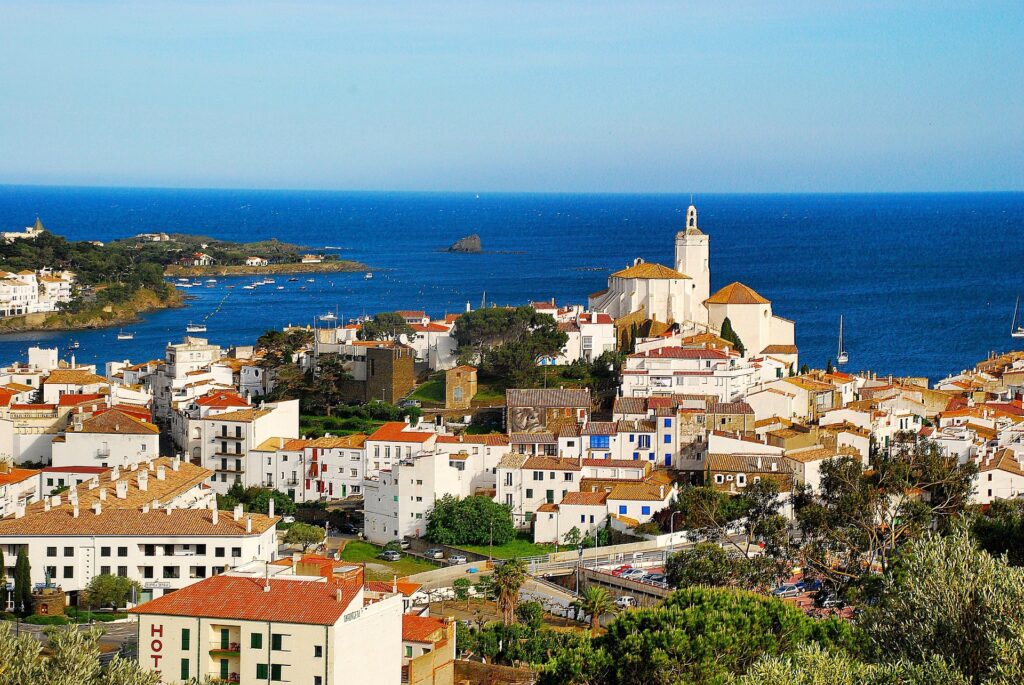
An escape in the bay of Cadaqués is a must to admire the village’s white houses from the deck of your boat. This is a region where nature sets the pace, and every cove feels like the edge of the world.
Navigation tips
To make the most of these routes, keep these recommendations in mind:
- Respect protected areas: in the Cap de Creus Natural Park, anchoring on posidonia seagrass is strictly prohibited to preserve the ecosystem
- Anticipate the wind: winds can strengthen quickly near headlands—always leave yourself a safety margin for the return trip
- Speed and safety: respect speed limits in coastal zones and stay alert for divers and swimmers marked by buoys
What to do on a boat on the Costa Brava?
Renting a boat turns your trip into an immersive adventure in the wildest landscapes of Catalonia.
Explore secluded coves
A boat is the only way to access hidden gems that are unreachable by land due to the rugged terrain. You can anchor in private coves where nature reigns supreme, far from crowded seaside resorts.
It’s the perfect opportunity to discover preserved corners nestled between cliffs, offering a true sense of freedom.
Go snorkeling
The exceptional clarity of the Costa Brava’s waters makes it a prime destination for underwater exploration. With just a mask and snorkel, you can observe rich marine life and protected posidonia meadows directly from your boat.
Rocky seabeds around Cap de Creus or the Medes Islands host fascinating biodiversity that will delight nature lovers.
Sail along the cliffs
Cruising close to the shoreline reveals the dramatic verticality of the “Wild Coast.” As you follow the rocky walls, you’ll encounter sea caves, natural arches, and spectacular geological formations shaped by the Tramontane wind and the sea.
It’s a unique perspective on botanical gardens and perched fishing villages—one that only the open sea can offer.
Enjoy a day at sea
Beyond exploration, a boat is also a space for relaxation and living. Whether it’s a lunch at anchor in a sheltered bay, sunbathing on deck, or simply enjoying the sensation of gliding over the water, a day at sea is the perfect alternative to crowded beaches.
It’s a special moment to share with family or friends, in rhythm with the waves and the Mediterranean sun.
When is the best time to rent?
Choosing when to sail on the Costa Brava depends on your priorities: summer warmth, tranquility, or keeping your budget under control.
High season (July and August)
This is when the Costa Brava is at its liveliest. Temperatures are at their peak, ensuring beautifully warm water for swimming, and sunshine is almost guaranteed.
However, it’s also the busiest time of year. Booking your boat several weeks in advance is essential to secure availability and to deal with prices that reach their highest levels.
Shoulder season (June and September)
For many, this is the ideal time to sail in Catalonia. In June, days are at their longest, while in September, the sea retains the warmth accumulated over the summer.
The main advantage is a noticeable drop in tourist crowds, offering more space in the coves and often more attractive rental prices than at the height of summer.
Low season (October to May)
During this period, sailing is best suited to those seeking absolute calm and wild landscapes. While the light can be exceptional, weather conditions are more unpredictable—particularly with the more frequent onset of the Tramontane wind.
Prices are at their lowest, but carefully checking weather forecasts before each outing is essential, as sea conditions can quickly become more challenging.
Tips for choosing the right rental
To ensure a successful boating experience on the Costa Brava, planning ahead is your best ally. Booking your boat several weeks in advance is strongly recommended to avoid summer shortages, secure your preferred model, and benefit from better rates before fleets are fully booked.
It’s also important to choose a boat that truly matches your skill level: a small, easy-to-handle vessel is ideal for beginners, while more powerful boats require solid experience in harbor maneuvers and a good understanding of local currents.
Before confirming your booking, always check recent customer reviews to assess the condition of the boats and the reliability of the provider—both key indicators of safety and transparency.
Finally, as local weather can be unpredictable—especially with the Tramontane wind rising suddenly—always check forecasts before leaving port and be ready to adjust your itinerary or postpone your trip if needed.
Which boat should you choose based on your profile?
Choosing the right boat is key to turning a simple outing into a truly memorable experience.
- For a romantic getaway: a small motorboat or a sailboat offers the privacy needed to reach secluded coves
- For families: a catamaran provides excellent stability, while a motorboat with a large sunshade ensures comfort and safety
- For groups of friends: a large rigid inflatable boat (RIB) or a day catamaran can accommodate up to 12 people for shared activities
- For a premium experience: a yacht with a skipper guarantees top-level comfort and a tailor-made itinerary to the most exclusive spots
Conclusion
Sailing on the Costa Brava is the ultimate way to discover Catalonia at its wildest. Between hidden coves and crystal-clear waters, renting a boat offers total freedom and privileged access to landscapes unreachable by land.
Whether you’re traveling as a family, a couple, or with friends, careful planning and choosing the right boat will ensure a safe and unforgettable maritime adventure.
